
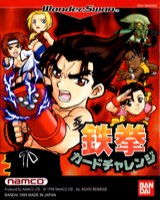
A card battle game built on Namco's Tekken fighting series, in which bouts are fought with move cards and an adventure mode leads across maps towards Ogre.
Screenshots
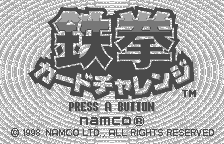
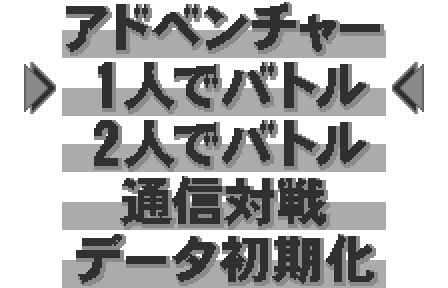
Title screen 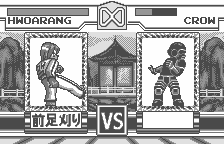
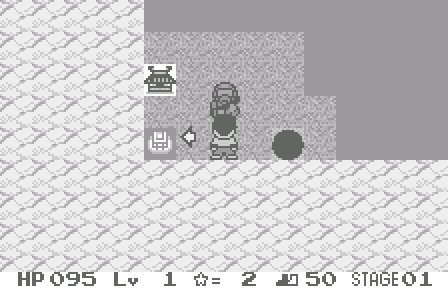
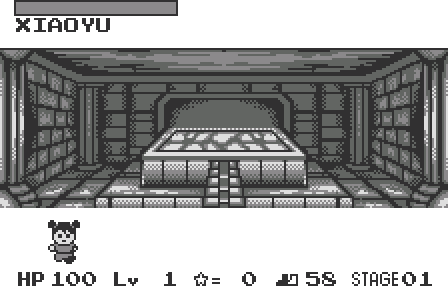
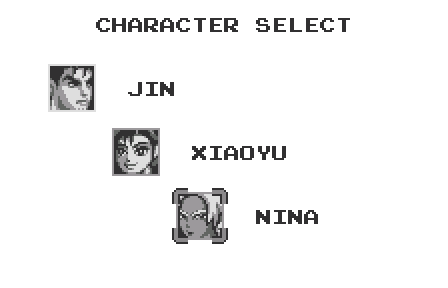
In play 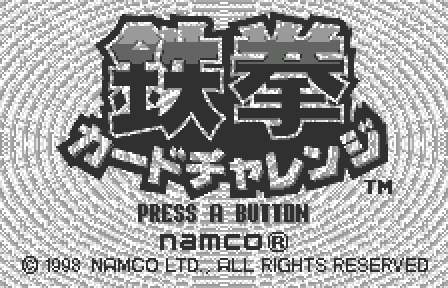
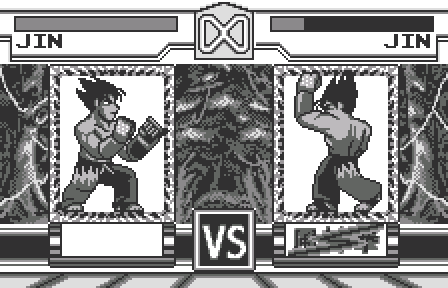
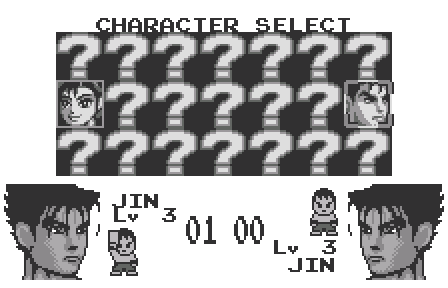
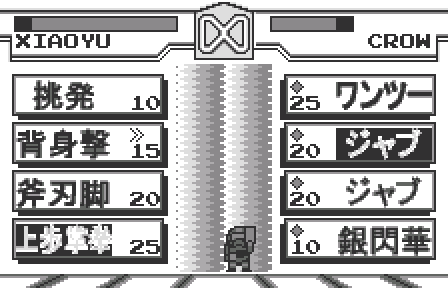
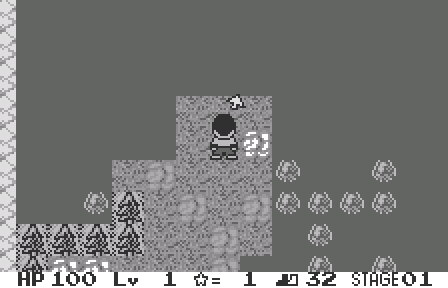
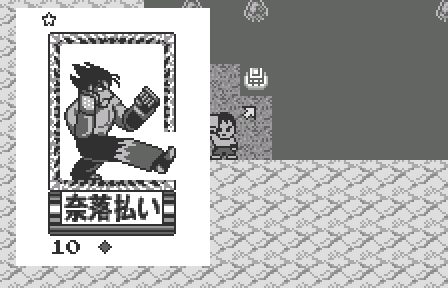
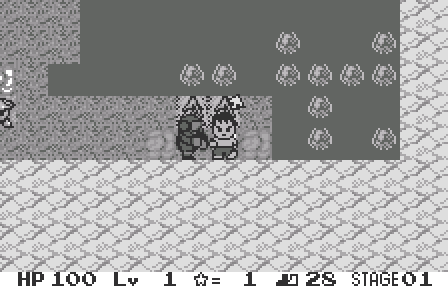
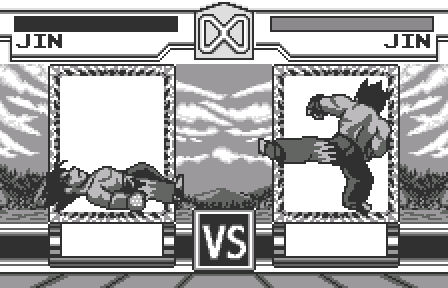
Tekken Card Challenge turns Namco’s 3D fighting series Tekken into a card game for the WonderSwan. Namco planned and developed it and Bandai published it in Japan on 17 June 1999, a little over three months after the console went on sale. It never left Japan.
Fights are not played out in real time but with cards for each character’s moves, and the main mode is an adventure across grid maps that ends with the final opponent, Ogre. There is also a battle mode against the computer, a versus mode on one console and link-cable play.
The story
The game has no long story of its own. It takes the cast of Tekken 3 off the 3D fighting stage and into a card game, and the box shows them in an anime-like style that is far from the look of the arcade games. The framing is the adventure mode: the player picks a fighter and walks with him or her through dungeons and open country, meeting other Tekken fighters on the way and duelling them.
Each character has a storyline and an ending of his or her own, so the adventure is a different tale depending on who is chosen. Besides the series regulars, the maps are patrolled by soldiers of the Tekken Force, the troops of the beat-’em-up minigame of the same name in the PlayStation Tekken 3, and at the end of the road waits Ogre.
Three fighters are open from the start: Hwoarang, Jin Kazama and Ling Xiaoyu. Eighteen more can be won, among them Anna, Bryan, Eddy, Forest Law, Gun Jack, Heihachi, King II, Kuma II, Lei, Mokujin, Nina, Panda, Paul, Yoshimitsu and Ogre himself. Julia Chang appears with her Tekken 3 background and first-player costume, and Crow, one of the Tekken Force soldiers who had appeared in the series only as a non-playable character, becomes a fighter of his own, which he is in no other game. True Ogre appears but cannot be played.
How it plays
The console is held sideways. The game stores progress in SRAM on the cartridge, and it reads the owner’s personal data stored in the WonderSwan, which changes the characters available in the adventure mode. In the adventure the player moves a small figure over a map laid out much like a strategy game’s, and meeting an enemy starts a duel.
A duel is fought between two fighters with 100 hit points each. Each starts with a hand of four cards, which is topped up as the duel goes on, and the cards come in three kinds, attack, defence and block, that beat one another in a circle much like rock, paper, scissors. When both play attacks, the values are compared and the losing card is discarded and its player loses hit points; an attack against a defence cancels out, except in the case of a counter, and two blocks cancel each other. Cards played in the right order chain into air juggles, echoing the combos of the arcade games, and they do heavy damage. The card that is actually used is picked by a roulette, so luck and timing come into what would otherwise be a game of reading the opponent.
Each adventure stage is a 15-by-15 grid with enemies and traps. The duellists on it must all be beaten within a limited number of steps before the exit opens. New attack and defence cards are earned only by winning, and along the way the fighter levels up and learns new moves, with bosses to face before Ogre. Hwoarang can still be unlocked later if another character is chosen for the adventure, and the secret fighters, Panda among them, appear once the game has been mastered with one character.
Beside the adventure there are three ways to fight. The one-player battle mode is a single bout against the computer. The two-player mode needs only one WonderSwan: the cards are dealt and the rounds are taken in turn, and each player has to keep the other from seeing his hand. Bandai made a point of the fact that versus play works without a link cable. With the link cable, two consoles are connected and each player fights with the characters and cards raised in his own adventure.
Development and release
Bandai published the game, and Namco planned and developed it. Yoshihiro Kishimoto, the Namco designer best known as the father of the Family Stadium baseball series, was its development chief, credited under his own name in roman letters. Namco also carried it in its own catalogue of WonderSwan software, as its fourth release on the system after Wonder Stadium, the parenting quiz Kosodate Quiz Dokodemo My Angel and Klonoa: Moonlight Museum, all at 3,800 yen except the first. The game came on an 8-megabit cartridge with 64 kilobits of save memory, played sideways, with stereo sound and a planned price of 3,800 yen before tax. The copyright line is Namco’s, dated 1998, and the box held a 32-page manual, a cartridge case and a reader survey card.
Reception
IGN compared the game with the card fighting games on the Neo Geo Pocket Color and Game Boy Color and credited it with more depth thanks to a story mode in which each character has an ending of its own; the reviewer singled out the link mode, which lets players bring their unlocked cards and characters into a match.
Ports and other versions
Tekken Card Challenge was made for the WonderSwan and stayed there; it was never released on another system. Within the Tekken series it stands apart as a turn-based card game that borrows the cast of Tekken 3 rather than a fighting game, and the closest games elsewhere are the card-battle titles of the same period on the Neo Geo Pocket Color and the Game Boy Color that IGN measured it against, SNK vs. Capcom: Card Fighters’ Clash and the Pokémon Trading Card Game.
Notes
Namco’s racing game Final Lap 2000 for the WonderSwan, released in March 2000, has trackside billboards for Namco’s other WonderSwan titles, among them Tekken Card Challenge and Klonoa.