
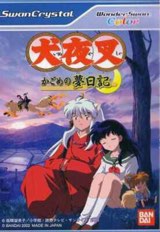
The first Inuyasha game for the WonderSwan Color, a "fureai" adventure in which the player is Kagome and the story shifts with how she treats Inuyasha.
Screenshots
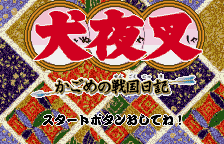
Title screen 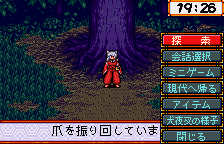
In play 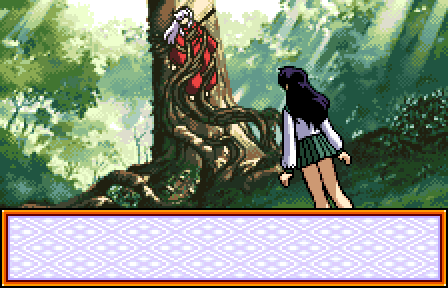
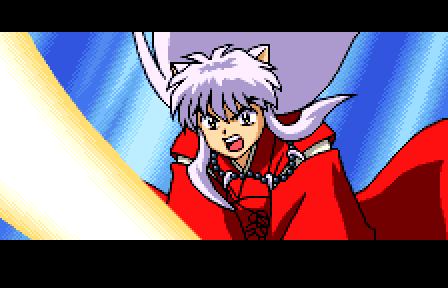
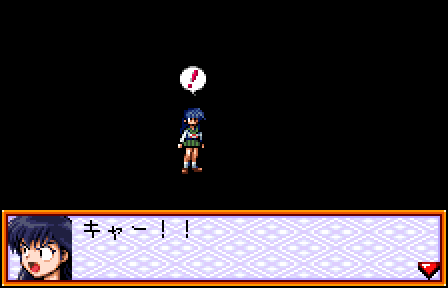
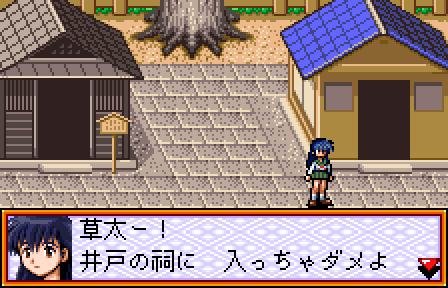
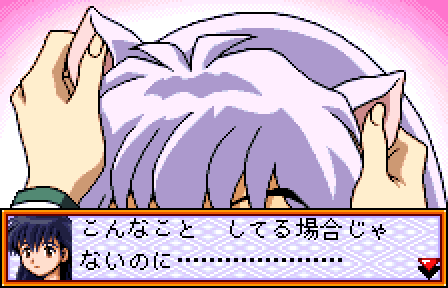
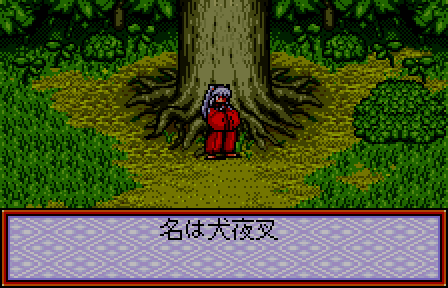
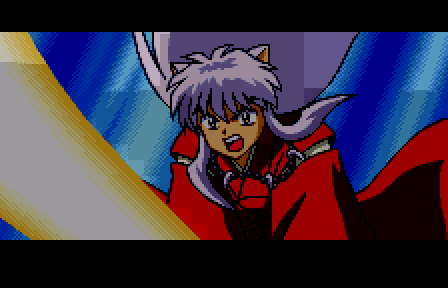
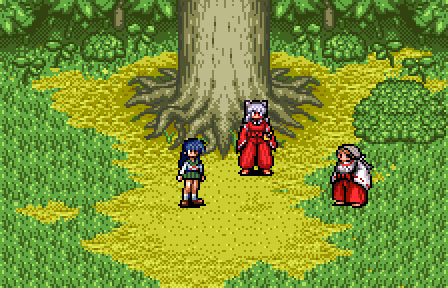
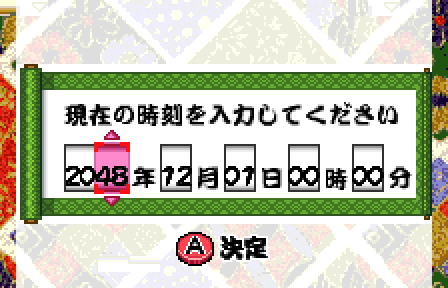
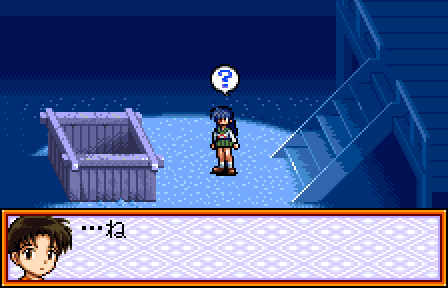
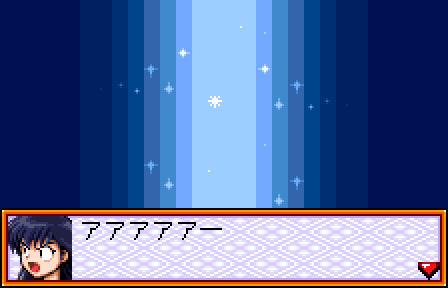
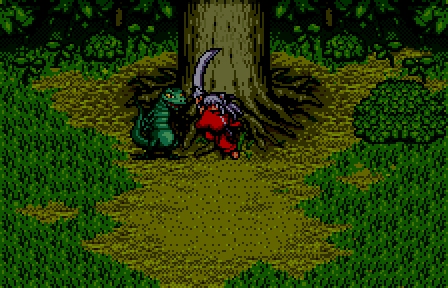
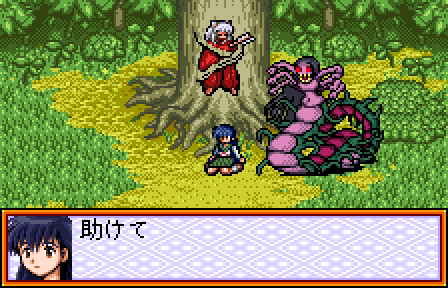
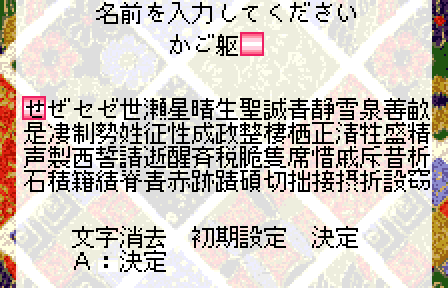
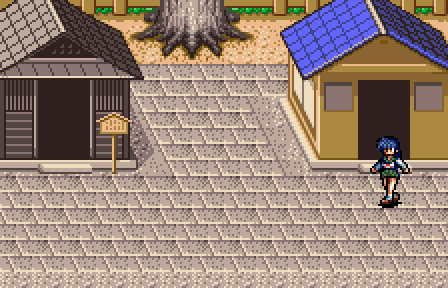
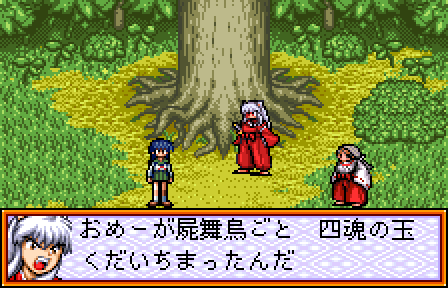
Inuyasha: Kagome no Sengoku Nikki is an adventure game based on Rumiko Takahashi’s manga Inuyasha and its anime, published by Bandai for the WonderSwan Color on 2 November 2001. It was the first of the three Inuyasha games Bandai made for the system, and it was billed as a “fureai” adventure, a genre label for games about spending time with characters and getting to know them.
The player takes the part of Kagome Higurashi, one of the series’ heroines, and spends ten days alongside Inuyasha, trying to win his trust and his heart. How she treats him changes the way the story goes, and a clock in the cartridge makes those days pass in real time.
The game needs a WonderSwan Color and does not run on the original black-and-white WonderSwan. A sequel built on the same system, Kagome no Yume Nikki, followed in November 2002, and the weasel demon returns in it.
The story
The game follows the manga’s own story, mixed with episodes written for it. Kagome is a girl from present-day Japan who passes back and forth between her own time and the Sengoku period, the age of warring states. The game opens with her looking back on how she first met Inuyasha: dragged down an old well at her family’s shrine, she wakes in the past to find him pinned to a tree by an arrow, just as a centipede demon arrives demanding the Shikon jewel. She frees him, the jewel ends up shattered, and the two set out to gather its shards. Naraku, the demon who also wants the jewel, and his followers are behind most of the trouble they meet.
Inuyasha is a half-demon, and at the start he is strikingly cold to Kagome. The heart of the game is the slow change in him. As she earns his trust and affection he grows more open than he ever is in the manga, worrying about her, getting jealous and saying things the original Inuyasha would never say aloud. Kagome’s famous command “sit”, which drives him deep into the ground, is part of the game too.
The rest of the cast comes along. Miroku, the worldly monk whose cursed right hand holds a wind tunnel that swallows anything, travels with them, and so do Shippō and Sango. Sesshōmaru appears, and so do smaller enemies from the manga, such as Hiten and Manten from the third and fourth volumes.
The game adds a rival of its own. Hayate is a young weasel demon who falls for Kagome and decides, without asking her, that she is going to be his bride, which sets him against Inuyasha. He is one of several original episodes the game adds to the manga’s story. The game has romance and fighting both, but it is far more story than battle, and its real subject is Kagome and Inuyasha getting closer over the ten days.
How it plays
The game is menu driven and uses only a few buttons, A and B and the X and Y keys, so the controls stay simple. Play is split between two parts that feed each other. In the Inuyasha’s Forest part Kagome meets Inuyasha and deals with him through commands such as Item, to give him something, and Topic, to talk about something. In the exploration part she travels with her companions through the Sengoku period, talks to villagers, who always have a hint to give, and moves the story on. The more events she clears while exploring, the more topics and items she has to use in the forest.
Behind the scenes the game keeps two values for how Inuyasha feels about Kagome, trust and love. When both are high he becomes gentle and attentive, and when trust is low he stays cold. Trust also matters in battle, since fights are hard to win when it is low. Giving him items raises it quickly. On repeat visits to the forest Inuyasha tends to say the same lines over again.
Exploration runs in a loop of conversation, story scenes, travel to a new place and a fight, then more of the same. The battles are turn based and chosen from menus, and there are far fewer of them than there is story. The characters on the adventure screens are oddly proportioned and their colours smudged, while the battle sprites are larger and more detailed, and every speaker has a small portrait beside their text.
The game lasts ten days, and those are ten real days, because the cartridge’s clock keeps the game’s time in step with the real one. Events change with the time of day, and if the player switches on at midnight Inuyasha is already asleep. Someone who can only play in the evening misses daytime events, and Inuyasha’s trust drifts down on the days he goes unvisited, though items soon bring it back. For that reason players suggest starting the game at the beginning of a long holiday.
Alongside the story there are mini-games such as hide and seek, and the album diary lets the player look back over the story so far. Progress is kept in the cartridge’s battery-backed save memory. The game is entirely in Japanese and leans heavily on text, so it is hard going for anyone who cannot read it.
Development and release
Bandai announced the game as the first time Inuyasha had been turned into a WonderSwan game, at a point when the manga was still running in Weekly Shōnen Sunday and the television anime was on the air. It was announced for 2 November 2001 at a provisional price, as a Color-only game for one player without link-cable support. When Bandai later promoted Fuuun Emaki, it called Kagome no Sengoku Nikki a hit that had won the series a new following among elementary and junior-high-school girls. The developer is unknown.
Modes and features
The game is for one player, plays in stereo, has no link-cable support and runs only on the WonderSwan Color. The cartridge holds 16 megabits of program and 256 kilobits of battery-backed save memory, along with the clock that drives the game’s real-time days. Besides the main story it offers the album diary for reviewing past events and mini-games such as hide and seek.
Ports and other versions
Kagome no Sengoku Nikki was made for the WonderSwan Color. It was never ported, remade or re-released. Bandai’s PlayStation game simply titled Inuyasha came out only weeks later, in December 2001, but it is a separate role-playing game with its own story, not a version of this one. Among the series’ games this one and its sequel Kagome no Yume Nikki stand apart by casting the player as Kagome in a relationship-building adventure tied to the real-time clock, where the games on other systems are role-playing, fighting or board games.