
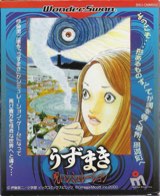
A game based on Junji Ito's horror manga Uzumaki in which the player is the spiral curse itself, spreading its influence through the town of Kurouzu.
Screenshots
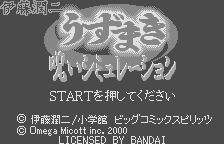
Title screen 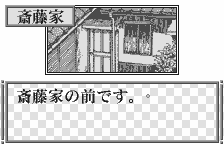
In play 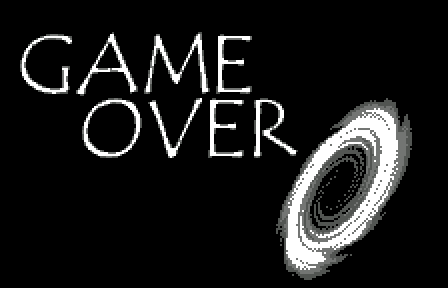
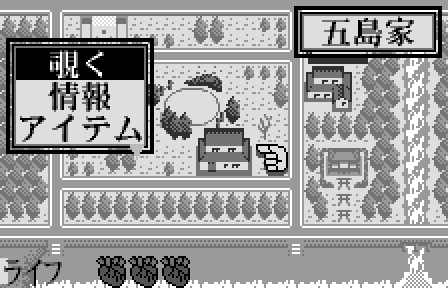
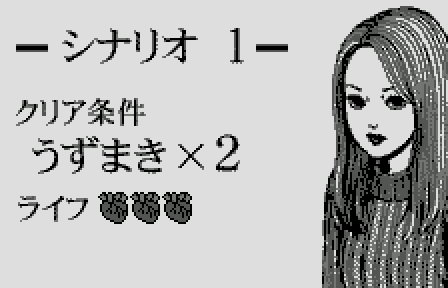
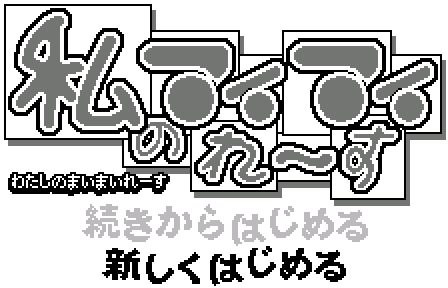
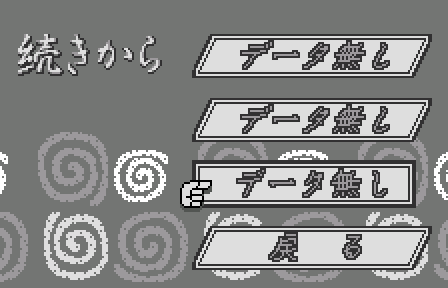
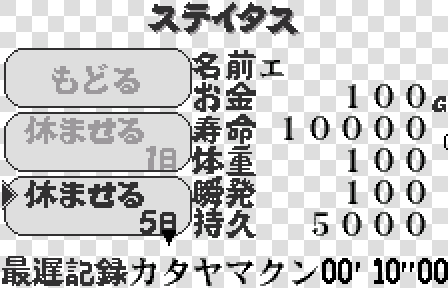
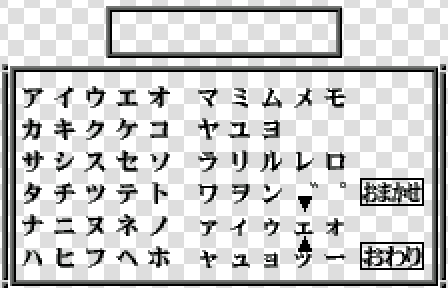
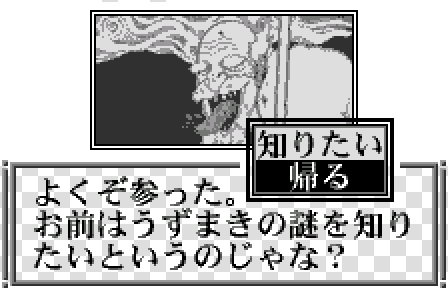
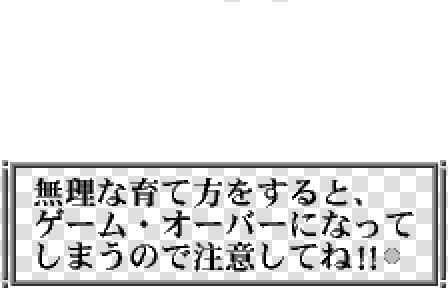
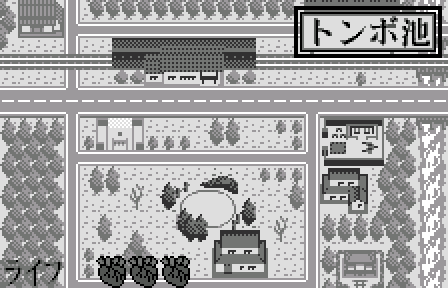
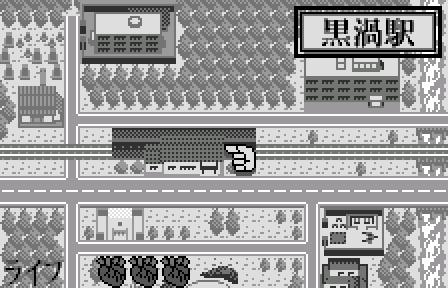
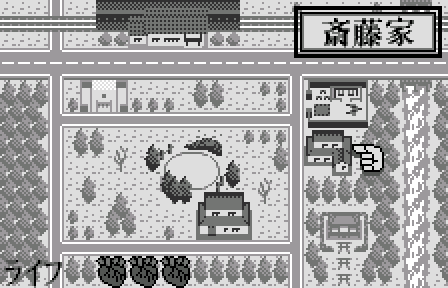
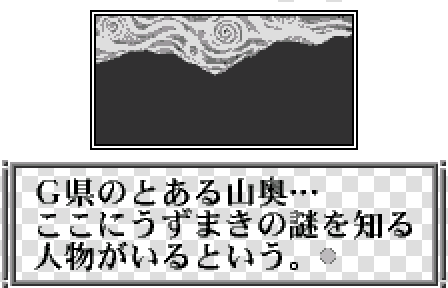
Uzumaki: Noroi Simulation is a WonderSwan game based on Uzumaki, Junji Ito’s horror manga about a town under a curse of spirals. It was published by Omega Micott in March 2000, one month after the same company’s other Uzumaki game for the system, Denshi Kaiki Hen, and both were released as tie-ins with the film of the manga that came out that year.
The game turns the manga’s roles around: the player takes the part of the spiral curse and works to spread its madness through the town of Kurouzu. Apart from the main game, the cartridge has a racing mini-game, Hitomaimai Race, built around the snail people who were among the most popular creations of the manga.
The story
The setting is Kurouzu, the town of the manga, but the point of view is reversed. Instead of following the townspeople, the player takes the place of the will of the super-being known as the Uzumaki, the spiral itself, and sets out to fill the town with its curse. Kirie Goshima, the heroine of the manga, is no longer the main character but just one of the many people the curse preys on.
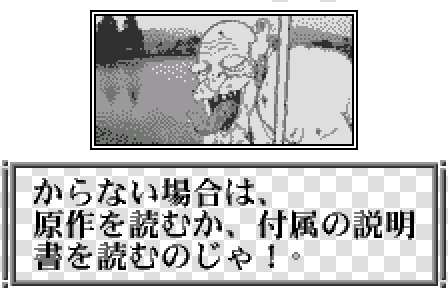
At the start a figure called Uzumaki Sennin, the spiral hermit, appears and briefly explains the player’s role and the task ahead. The game asks early on whether the player wants to know more or would rather go home, and choosing to go home ends the game on the spot. Going on casts the player as the force behind the strange events the manga describes.
The places the player visits include the homes of characters from the manga, and events take place there as the curse takes hold. The tone is an oddly comic twist on the source material that still keeps its horror, and the game may contain several scenarios.
How it plays
The console is held sideways, and the game is for one player. Play centres on a map of Kurouzu, from which the player picks a place to visit. Each place has its own residents to meet and its own items to collect, and an event takes place on each visit.
The goal is to gather the spiral power and hidden items scattered around the town and use them until the whole of Kurouzu is covered by the curse. Items are used to extend the spiral’s hold over an area or to act on the people there, and putting the right item in the right place makes a new spiral and moves the story on. The more disorder the curse causes, the more of the town opens up.
Although it is called a simulation, it plays more like a demanding adventure game. Each attempt that fails costs life, so a run can end quickly, and the game is hard to get through whether or not the player knows the manga. Items are scarce, and after a certain point nothing more seems to happen wherever the player goes.
The main menu also leads to a side mode built around a small creature that is half human and half snail, looked after like a virtual pet, alongside the Hitomaimai Race; whether these are one mode or two is not certain. Progress is saved to the cartridge’s EEPROM.
Development and release
Omega Micott presented the game as the second in its Uzumaki series and set out to show the world of the manga from a different angle by turning it into a simulation rather than repeating the sound novel format of the first game. It was already announced for March when the first game was presented, at that point under a provisional title, and it came out on 4 March 2000, a few weeks after the film had opened. The cartridge sold for 3,800 yen before tax under the model number SWJ-OMM002.
Only Omega Micott is named on the game and in the copyright line, alongside Junji Ito and Shogakukan’s Big Comic Spirits, and no separate developer is credited. Omega Micott’s main business was producing and distributing films, and another company may have done the actual development, but none has been named.
Modes and features
The cartridge has a 16-kilobit EEPROM for saving, and link play is not supported.
Reception
The game drew little attention in Japan. Players have found it hard to make progress: after the first event nothing more seems to happen wherever the player goes, it is hard to work out what to do with the items carried, and it has been called close to unplayable.
Ports and other versions
Noroi Simulation was made for the WonderSwan, and it was never ported, remade or re-released elsewhere. Together with the earlier Denshi Kaiki Hen, a sound novel that tells the story from Kirie’s side and is a different game, it is one of only two Uzumaki video games. Where the first game retells the manga, this one stands apart by putting the player in the place of the curse instead of its victims.