
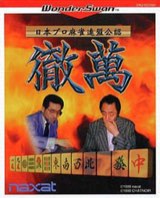
A four-player mahjong game endorsed by the Japan Professional Mahjong League, with ten real professionals as opponents, an open replay of every hand, and link play.
Screenshots
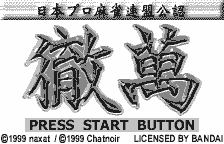
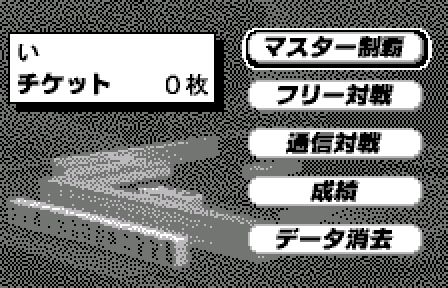
Title screen 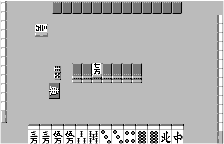
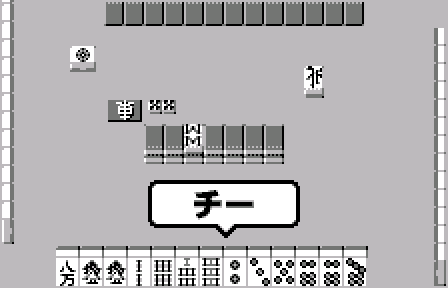
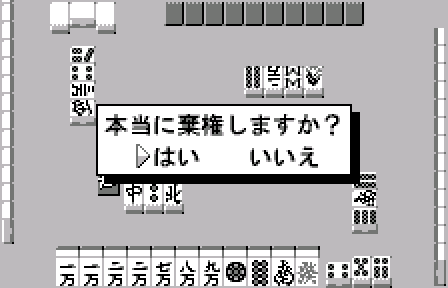
In play 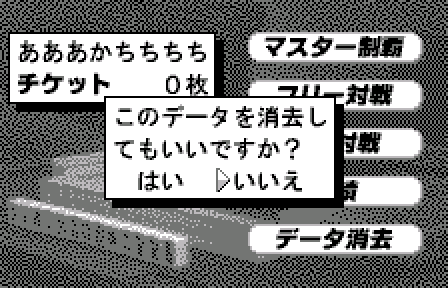
Tetsuman is a mahjong game for the WonderSwan, released on 15 July 1999 by Kaga Tech, the company formerly called Naxat, under the Naxat brand. It belongs to Naxat’s Tetsuman series and carries the official endorsement of the Japan Professional Mahjong League. Bandai described it as Naxat’s first mahjong game for a handheld. The copyright line names both Naxat and Chatnoir, the studio behind the series.
The selling point is its opponents. The game holds data on ten strong professional players, led by the league’s chairman and its founding chairman, and all of them appear under their real names. The computer players were advertised as running the newest and strongest thinking routine Naxat had made.
It is a four-player game with two modes, an open replay feature for studying how the professionals play, and two-player link play.
The story
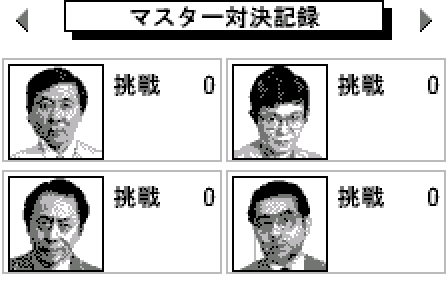
There is no story. The game is a sitting at the table with members of the Japan Professional Mahjong League, and its framing comes from that endorsement. The closest it has to a goal is the Master mode, in which the player works through league games to earn the right to challenge four players called Masters.
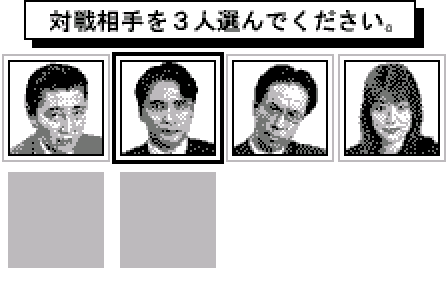
The professionals are the cast. Ten of them are in the game, led by the league’s chairman Taro Nada and its founding chairman Takeo Kojima, and each plays under their real name. The game reproduces each one’s favoured hands, strategy and way of thinking, so the opponents are meant to play differently from one another.
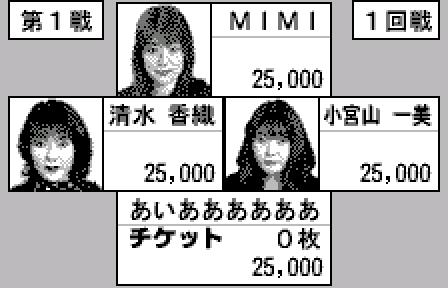
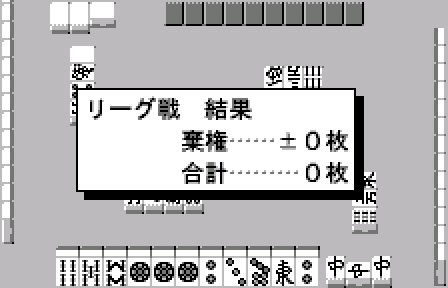
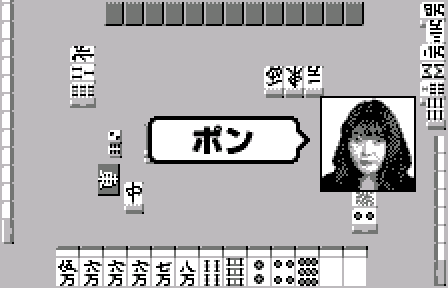
The presentation is plain and clean. The table is seen from directly above, in light grey, with small tiles that stay easy to read on the small screen. The players appear as sharp digitised photographs of their faces, the text windows carry drop shadows, and the professionals speak during play through sampled voices.
How it plays
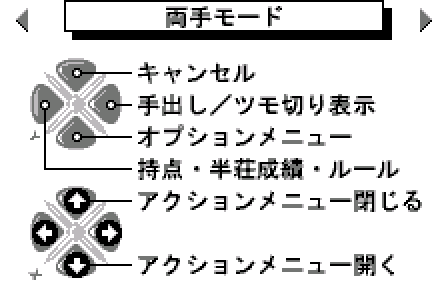
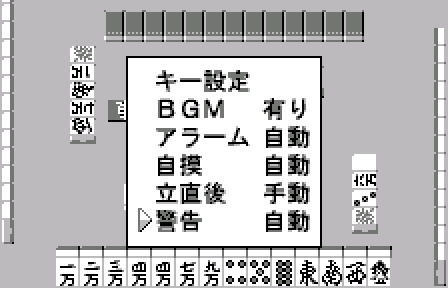
The WonderSwan is held sideways. The game uses many buttons, but the controls respond quickly and are easy to learn, and the key settings can make some actions automatic. Three one-handed button layouts are included, so the game can be played with the other hand holding a strap on a train or bus.
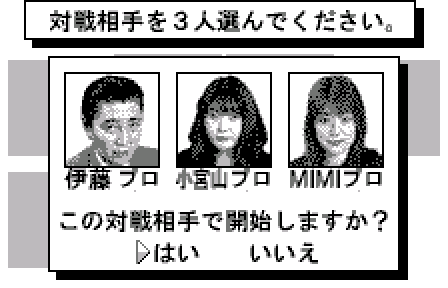
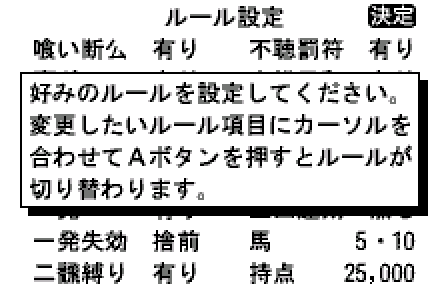
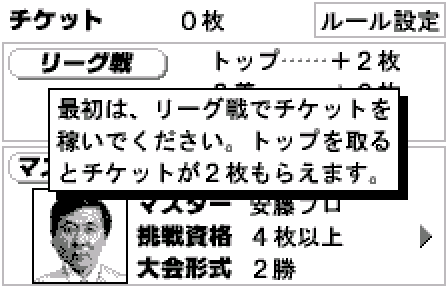
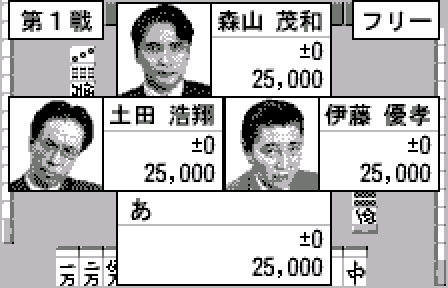
There are two modes, and both are four-player games against the ten professionals. In the free play mode the player picks the other three players at the table. In the Master mode the player takes part in league games and collects tickets, which give the right to challenge the four Masters. The rule settings are very detailed.
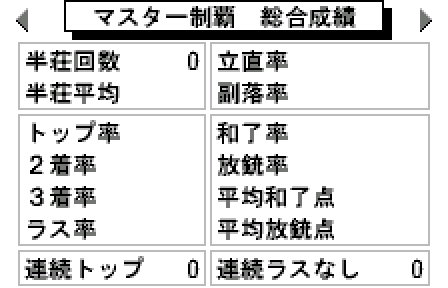
The computer players use the strongest thinking routine Naxat had made, and they do not cheat. They are hard to beat, and a careless player soon finds themselves stuck in last place. In the Master mode the game saves automatically after every discard, which makes each discard a little slow but means play can be stopped at any time. A quick resume option brings the game straight back on power-on. Detailed personal records are also kept in the Master mode only.
The open replay is the main study tool. When a game ends, it shows every player’s hand face up and plays the whole game again from the start, so the player can follow how each professional built their hand and chose their discards. Two owners of the game can also join their consoles with the link cable and play against each other.
As a straight mahjong game it is well made, with the main weakness being how little there is beyond it. There are only the two modes and few extra features or gimmicks of the kind other computer mahjong games add.
Development and release
Chatnoir developed the game. Founded in 1983, it made a long run of mahjong games and also licensed its computer-player routines to other publishers. Tetsuman was the first WonderSwan cartridge from Kaga Tech, numbered SWJ-KGT001, and it sold for 3,480 yen before tax, a little below the usual 3,800 yen of early WonderSwan games. The cartridge has 256 kilobits of SRAM for saves and plays in stereo.
Ports and other versions
This Tetsuman was made for the WonderSwan rather than converted from an earlier entry: Bandai presented it as Naxat’s first mahjong game for a handheld, and it was never ported or re-released elsewhere. Whether its program was written fresh has not been confirmed.
It sits within a series that otherwise lived mostly on home consoles. Tetsuman began on the Super Famicom in 1993 with a sequel there in 1994, and a Saturn entry, Tetsuman Special, followed in 1996. The PlayStation’s Shin Tetsuman of 1998 already carried the league’s endorsement and put fifteen professionals under their real names, among them Taro Nada and Takeo Kojima; the WonderSwan game, with ten, is a smaller handheld counterpart rather than a version of it. It arrived in the same year as the Dreamcast’s Tetsuman Menkyo Kaiden, and a later handheld entry, Tetsuman Advance, followed on the Game Boy Advance; its full title places it in the Menkyo Kaiden line rather than presenting it as a version of the WonderSwan game.
Later history
The name outlived the Naxat label. In 2013 Kaga Create released a PlayStation Vita game in the series built around women professionals.