
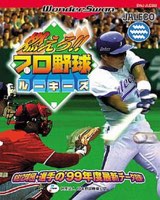
Jaleco's Moero!! Pro Yakyuu baseball series on the WonderSwan, its first handheld entry, adding a mode in which you raise a rookie of your own toward Rookie of the Year.
Screenshots
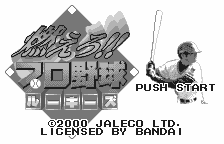
Title screen 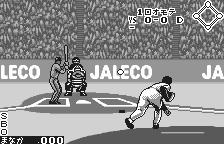
In play 
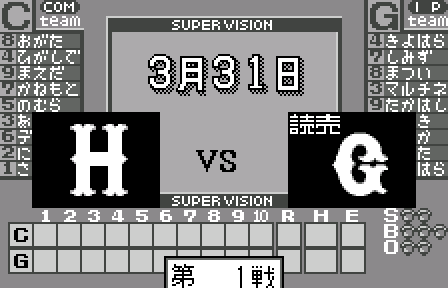
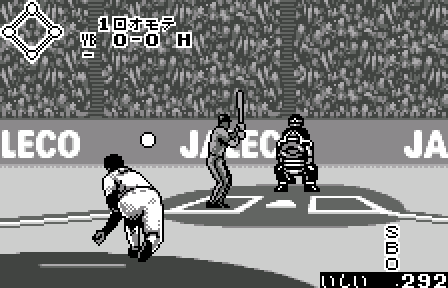
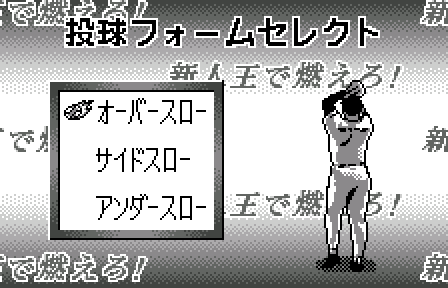
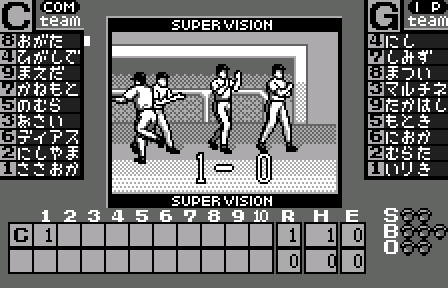
Moero!! Pro Yakyuu Rookies is a professional baseball game published by Jaleco for the original WonderSwan, released in Japan on 30 March 2000, with development usually credited to TOSE. It belongs to Jaleco’s Moero!! Pro Yakyuu series, which began on the Famicom in 1987 and became known for showing the game from behind the pitcher, in the manner of a television broadcast, rather than from behind the batter. This was the first time the series appeared on a handheld console.
Alongside the usual pennant season, the WonderSwan game adds a mode built around a single newcomer of the player’s own making, whose goal is the Rookie of the Year award.
The story
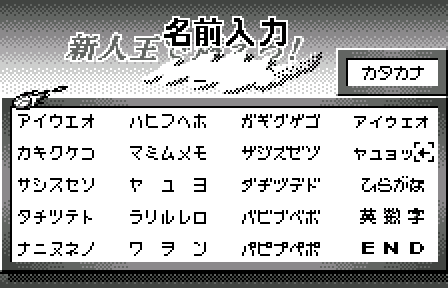
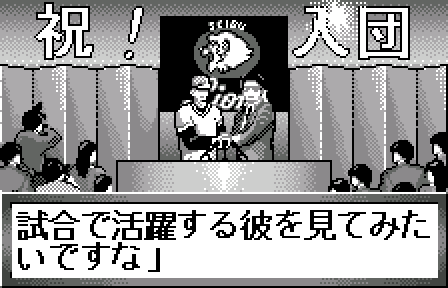
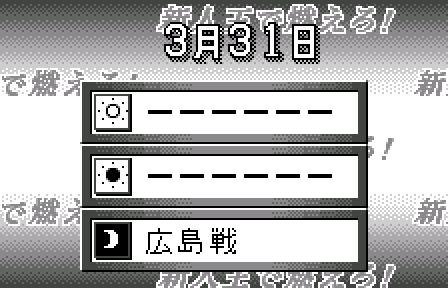
Rookies has no story in the usual sense. The nearest thing to one is the rookie mode, called Shinjinou de Moero!, a story mode that follows one newcomer through his first professional season. There is no set hero: the player creates the newcomer, who joins the club the player supports and plays among the real professionals, listed under their real names with the latest data at the time of release. The season is framed by a single aim, to win Rookie of the Year. Outside that mode the game has only the real clubs and players, with no invented characters or setting, and Jaleco sold it on the idea of making famous games of the player’s own.
How it plays
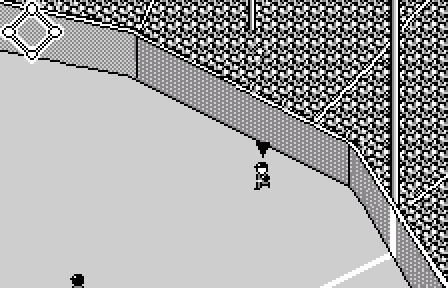
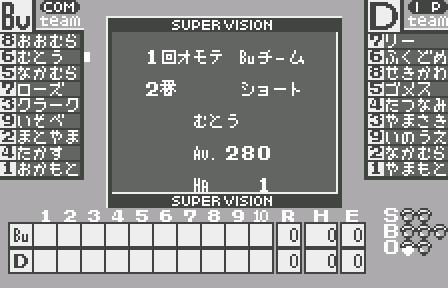
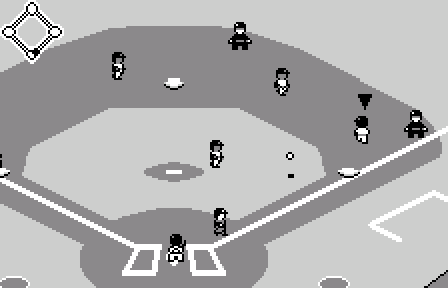
The WonderSwan is held sideways. Pitching and batting are shown from behind the pitcher looking in at the batter, the series’ familiar television-style camera, and the view switches to one from behind the backstop for fielding and base running. Every player on the real clubs appears under his own name, with data that was current when the cartridge came out.
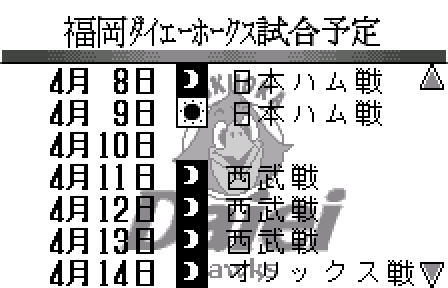
The pennant mode is the standard season: the player takes charge of a real club and plays through the pennant race. It is the plain baseball side of the cartridge, without the newcomer.
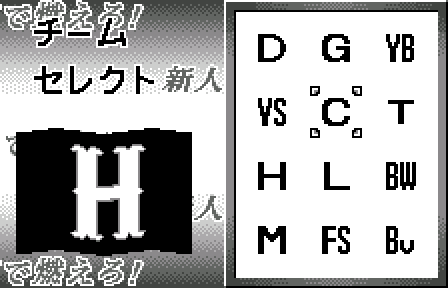
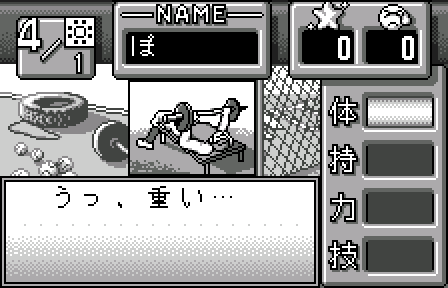
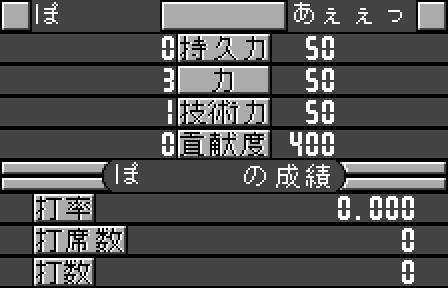
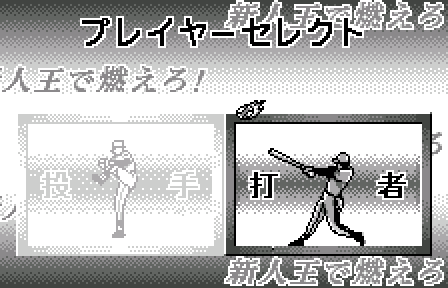
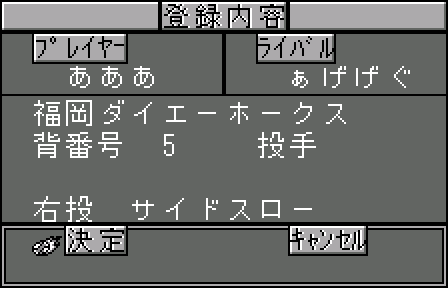
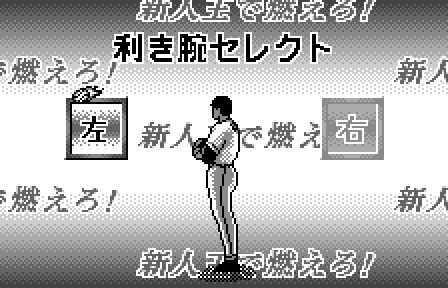
The rookie mode is the new part. The player creates an original player from scratch, chooses the team he joins, trains him and then plays him through the pennant race beside the professionals, aiming for the Rookie of the Year award at the end of the season. How the training works in detail, and how long a season runs, is not certain.
Two players can play against each other over the link cable. Progress is kept in the cartridge’s battery-backed memory. On the field the game follows the first Famicom game of 1987 closely, with that game’s well-known bugs taken out.
Development and release
Bandai introduced the game by recalling the series’ million-selling past and its signature camera, placed out towards centre field like a television broadcast, which it contrasted with the view from behind the backstop that most baseball games use. The cartridge had an announced price of 4,200 yen before tax and the code SWJ-JLC002, with 8 megabits of ROM, 64 kilobits of battery-backed SRAM for saves and stereo sound, and it is played with the console held sideways. It is for one or two players, with link-cable support.
The credit to TOSE rests on the series’ history, since TOSE developed the Famicom original and its later re-releases; the game is credited to Jaleco alone, and the developer has never been confirmed.
Ports and other versions
Rookies was made for the WonderSwan and was never ported or re-released on another system. It is a separate entry in the series, the first on a handheld, rather than a version of any earlier game. It is often compared closely with the first Famicom game of 1987, as that game with the bugs taken out, though the rookie mode is new to this cartridge.
Among its relatives, the Famicom original has had a long second life: it appeared on a Game Boy Advance compilation in 2004 and as a download for the Wii, Nintendo 3DS and Wii U, while newer games built to recreate it followed on Android in 2015 and on the PlayStation 4 and 3DS in 2016. These belong to the first game’s story, not to that of Rookies.